
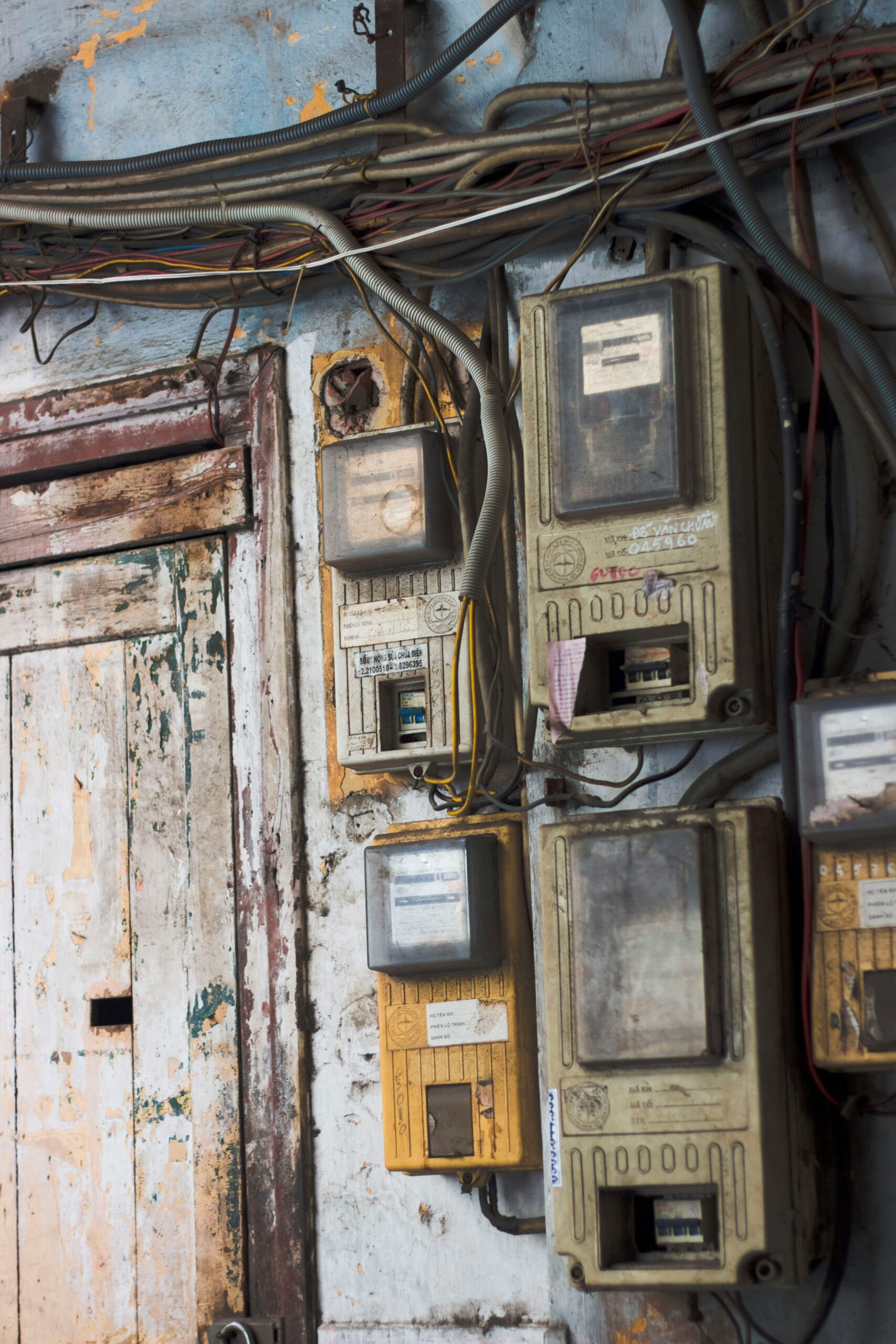
Your home’s electrical panel, commonly referred to as the breaker box, is the heart of your home’s electrical system. It’s the control center that ensures power is distributed safely and efficiently to every outlet, appliance, and light in your home. While it may seem intimidating at first, understanding how your electrical panel works is essential for every homeowner. In this article, we’ll break down the basics of the electrical panel, how to read its labels, and when it may be time for an upgrade.
1. Overview of the Electrical Panel (Breaker Box)
The electrical panel serves as the point where electricity from your utility company enters your home and is distributed to different circuits. It contains breakers or fuses, which act as safety devices to prevent electrical overloads. When too much electricity flows through a circuit, the breaker “trips” or the fuse blows, cutting off the power to that circuit to avoid overheating, electrical fires, or damage to appliances.
Key components of your electrical panel include:
- Main Breaker: This large switch shuts off all power to the home. It’s usually located at the top of the panel and is used during emergencies or when performing electrical work.
- Individual Circuit Breakers: These are smaller switches that control the flow of electricity to specific areas or appliances in your home. Each breaker corresponds to a particular circuit, such as one for the kitchen or one for the HVAC system.
- Bus Bars: Inside the panel are bus bars, which distribute power from the main breaker to the individual circuit breakers.
- Neutral and Ground Bars: These are essential for safely returning excess electricity to the ground, preventing electrical shocks and hazards.
Understanding the function of these components can help you manage electrical problems more effectively and communicate with electricians or inspectors when necessary.
2. How to Read Labels and What Each Breaker Controls
Properly labeling your electrical panel is crucial for safety and convenience. Knowing which breaker controls which part of your home allows you to quickly shut off power to a specific area if there’s a problem, such as a malfunctioning appliance or an overloaded circuit.
Steps to read and label your electrical panel:
- Open the Panel Door: Inside the door, there’s typically a list or diagram showing the layout of the breakers. If your panel isn’t labeled, it’s a good idea to label it yourself or hire an electrician to help.
- Turn Off and Test Each Circuit: To label the breakers correctly, turn off one breaker at a time and note which lights, outlets, or appliances stop working. You can test by plugging in small appliances or using a lamp. Once identified, label each breaker accordingly.
- Group Appliances and Outlets by Room or Function: Many electrical panels are labeled by room or function. For example, you might have one breaker for the kitchen, another for the garage, and separate breakers for major appliances like the stove, water heater, or air conditioner.
- Check for 240-Volt Circuits: Larger appliances, such as ovens and dryers, typically require more power and are connected to 240-volt circuits. These breakers are usually double the size of standard breakers and should be labeled accordingly.
Having clearly marked labels helps not only in everyday situations but also during inspections or electrical repairs. It’s easier for inspectors to identify if everything is properly set up and for homeowners to manage issues safely.
3. Common Issues Inspectors Look For and When to Upgrade
During a home inspection, the electrical panel is one of the most critical areas that inspectors examine. They’re looking for signs of wear, improper installation, or potential safety hazards. Here are some of the most common issues that could signal the need for repairs or an upgrade:
a. Outdated Electrical Panels Older homes often have outdated electrical panels that may not meet modern electrical demands. Some of these panels, like those from brands such as Federal Pacific or Zinsco, have been found to have faulty breakers that may not trip correctly, leading to fire hazards. If your home still has an older panel, it’s recommended to have it inspected by a professional and consider upgrading to a safer, more modern system.
b. Overloaded Panels If you’ve added new appliances, upgraded your HVAC system, or increased the number of devices in your home, your electrical panel might be overloaded. An overloaded panel happens when there are too many circuits drawing power beyond the panel’s capacity. Signs of an overloaded panel include frequent breaker trips, flickering lights, or warm areas around the panel.
c. Double-Tapped Breakers One common issue inspectors find is double-tapping, where two wires are connected to a single breaker. Most breakers are designed to handle only one wire, so this setup can cause overheating or breaker failure. Double-tapping is a safety hazard and should be addressed by an electrician.
d. Rust or Corrosion If moisture has gotten into the electrical panel, it can cause rust or corrosion. Inspectors will look for any signs of water damage, especially in basements or homes with poor drainage systems. Rusty or corroded components can lead to electrical shorts and pose a fire risk.
e. Insufficient Amperage Many older homes were built with 60-amp or 100-amp electrical panels, which were sufficient at the time. However, modern homes typically require 200 amps to safely power today’s appliances, HVAC systems, and electronics. If your panel can’t meet your home’s power needs, it’s time to upgrade to avoid tripped breakers or potential fire hazards.
When Should You Upgrade Your Electrical Panel?
Upgrading your electrical panel may be necessary if:
- Your home has an outdated panel: If your home has a Federal Pacific, Zinsco, or other obsolete panel, it should be replaced as a safety precaution.
- You’re frequently tripping breakers: Constantly resetting tripped breakers is a sign that your panel isn’t handling the electrical load efficiently.
- You’re renovating or adding to your home: Adding square footage, a new kitchen, or major appliances can increase the electrical demand on your system, and your current panel might not be up to the task.
- You notice signs of wear or damage: Rust, corrosion, buzzing noises, or a burning smell near the panel are all red flags that something isn’t right. Don’t ignore these warning signs—get an electrician to evaluate the situation immediately.

