
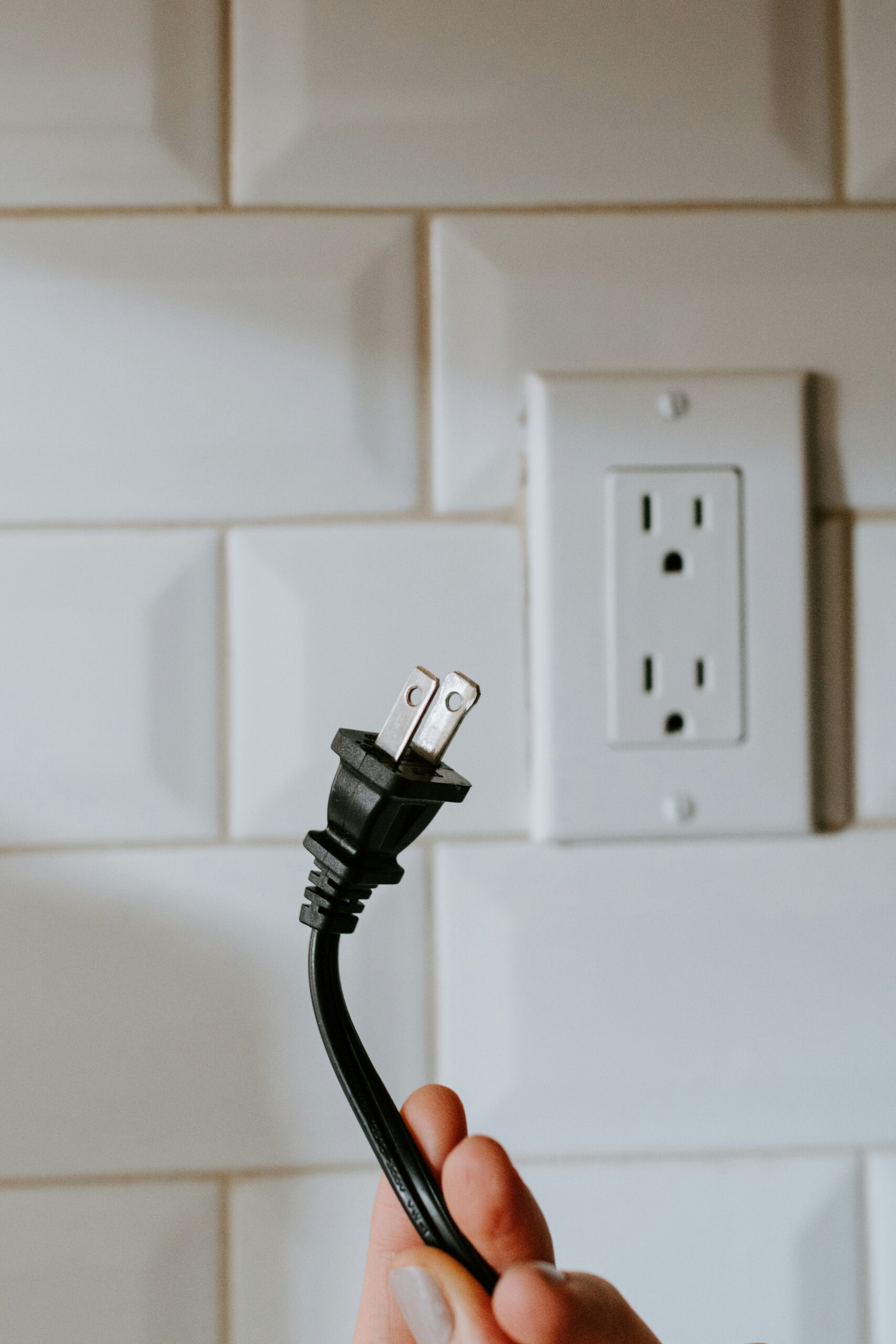
Electrical safety is crucial in every home, and two devices that play a key role in protecting against electrical hazards are Ground Fault Circuit Interrupters (GFCIs) and Arc Fault Circuit Interrupters (AFCIs). These outlets offer advanced protection beyond standard outlets by reducing the risk of electrical shocks and fires. In this article, we’ll explain what GFCI and AFCI outlets are, why they’re required in certain areas of the home, and how home inspectors check for proper installation.
1. What Are GFCI and AFCI Outlets?
Ground Fault Circuit Interrupters (GFCIs)
GFCIs are designed to protect people from electrical shocks by shutting off power when they detect a ground fault. A ground fault occurs when electricity strays from its intended path—such as when a person comes into contact with water while using an electrical appliance. GFCIs are able to sense these faults within milliseconds, cutting off the electricity to prevent injury.
GFCI outlets are easily recognizable by their test and reset buttons, usually located between the two outlet receptacles. They are required in areas of the home where there’s a higher risk of moisture exposure, such as kitchens, bathrooms, laundry rooms, garages, and outdoor spaces.
Arc Fault Circuit Interrupters (AFCIs)
AFCIs, on the other hand, are designed to prevent electrical fires. They detect arc faults—unintended electrical discharges that can occur in damaged wiring, loose connections, or faulty appliances. Arc faults can generate enough heat to ignite surrounding materials, leading to a fire.
AFCI protection is typically built into circuit breakers in the electrical panel, though they can also be integrated into outlets. These breakers continuously monitor electrical circuits for signs of arcing and shut off power if a dangerous arc is detected.
2. Why GFCI and AFCI Outlets Are Required in Certain Areas
GFCI and AFCI outlets aren’t just recommended—they are required by the National Electrical Code (NEC) in specific areas of the home to reduce the risk of electrical shocks and fires.
GFCI Protection Requirements GFCIs are required in locations where electricity is likely to come into contact with water or moisture. These areas include:
- Bathrooms: GFCIs protect against shock when using hairdryers, electric razors, or other devices near sinks or bathtubs.
- Kitchens: Outlets near sinks or countertops are prone to splashes or spills, making GFCIs essential for preventing shocks while using appliances like blenders or coffee makers.
- Laundry Rooms: Washers, dryers, and utility sinks create a wet environment, which increases the risk of electrical shock.
- Garages and Basements: In these spaces, electrical equipment is often used in damp conditions, so GFCIs are required to provide protection.
- Outdoor Areas: Outlets used for outdoor lighting, pool equipment, or garden tools must be GFCI-protected to prevent shocks caused by moisture exposure.
AFCI Protection Requirements AFCIs are required in areas of the home where electrical fires are most likely to start due to damaged wiring or faulty outlets. These areas include:
- Bedrooms: AFCI protection is crucial in bedrooms, where lamps, fans, and other devices could cause arc faults in older or frayed wiring.
- Living Rooms: High usage of electronics and appliances makes living rooms another area where arc faults can occur, so AFCI protection is required.
- Hallways and Common Areas: Any space where electrical wiring might be subject to wear and tear should be protected by AFCIs.
Newer homes built to modern codes will have GFCI and AFCI outlets in all the required areas. However, older homes may not have this protection, making it a good idea to upgrade for safety.
3. How Home Inspectors Check for Proper Installation and Function
During a home inspection, electrical safety is a top priority, and home inspectors are trained to check the proper installation and functioning of GFCI and AFCI outlets.
GFCI Outlet Testing Inspectors will test each GFCI outlet by pressing the test button to simulate a ground fault. When the button is pressed, the power should shut off immediately, demonstrating that the outlet is functioning correctly. Afterward, the reset button is pressed to restore power. If the GFCI fails to trip during testing or doesn’t reset properly, the inspector will note this as an issue that needs to be addressed.
Additionally, inspectors check that GFCIs are installed in all required areas, such as kitchens, bathrooms, and outdoor spaces. If GFCIs are missing in these areas, the inspector will recommend installing them for safety.
AFCI Circuit Testing AFCI protection is typically located in the electrical panel, where the inspector will check to see if AFCI breakers are present. The inspector will test these breakers using a specialized AFCI testing tool that creates a simulated arc fault. If the breaker trips as it should, it indicates proper functioning. If not, the breaker may need to be replaced.
In cases where AFCIs are not present in areas that require them, inspectors will highlight this issue and recommend an upgrade to meet modern safety standards.
4. Why Upgrading Older Homes With GFCI and AFCI Outlets Is a Good Idea
Older homes may not have GFCI and AFCI outlets, especially if they were built before these devices were required by code. Upgrading to GFCI and AFCI protection is a relatively simple and affordable way to enhance the electrical safety of an older home. Here’s why it’s worth considering:
- Preventing Electrical Shocks: Installing GFCIs in moisture-prone areas reduces the risk of dangerous electrical shocks, particularly in kitchens, bathrooms, and outdoor spaces.
- Reducing Fire Risk: AFCIs can prevent electrical fires caused by arcing, which is particularly valuable in homes with older wiring systems that may be prone to wear and tear.
- Meeting Modern Codes: If you plan to sell your home in the future, upgrading to GFCI and AFCI outlets can help your home pass inspection more easily and may increase its value by bringing it up to modern safety standards.
- Peace of Mind: Upgrading to these safety devices provides homeowners with the confidence that their electrical system is better protected against common hazards.

