
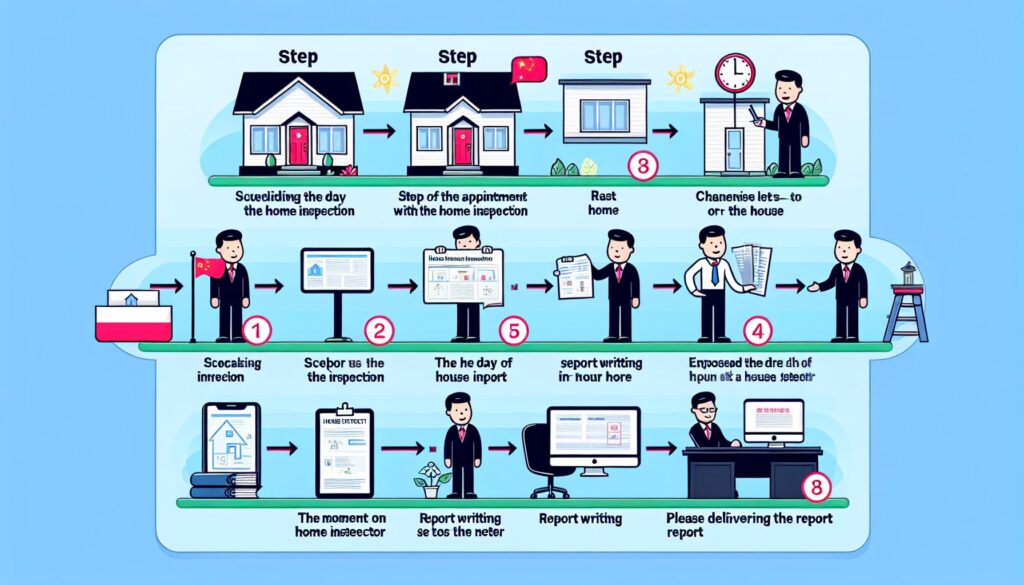
Buying a house is a big investment, and one sure way to ensure that it is worth your money is by performing a thorough home inspection process. This requirement helps property buyers understand the condition of the house, its safety, and any potential issues before finalizing the sale contract. This article is a deep dive into the home inspection timeline, examining key steps, lengths, and factors that may influence the process.
What Constitutes a Home Inspection?
A home inspection is a visual examination of a house’s physical structure and mechanical systems. It involves checking the walls, roof, heating systems, electrical, plumbing, and more. A qualified home inspector looks for any damage or functionalities that might need repair or replacement.
Follow this step-by-step home inspection process to understand what to expect on inspection day. Due diligence during a home inspection can save you thousands of dollars in home maintenance, repairs, and disasters in the long haul.
The Start: Getting a Home Inspector
The home inspection timeline typically commences immediately you have a signed contract or purchase agreement. The contract should rightly have a home inspection contingency clause. This provision gives you the provision to hire an inspector, carry out the inspection, and depending on the results, negotiate with the seller for repairs or adjust the home price.
The Home Inspection Process Timeline
While timelines can vary depending on the size, condition, and location of the home, plus the inspector’s schedule, the home inspection process generally follows the same basic timeline:
Scheduling the Inspection
Once you have a signed agreement, you should schedule a home inspection immediately, considering most contracts will typically give you about 7-14 days to complete the inspection. The promptness helps to ensure that there is ample time to revisit negotiations if any red flags are identified during the inspection.
Conducting the Inspection
The home inspection itself typically takes between two and four hours. However, this can be shorter or longer depending on the size and condition of the house. During the inspection, you should actively participate, aiming to understand potential issues in your prospective home. The home inspector examines the interior and exterior of the house, focusing on the home’s structure and installed systems.
Post-Inspection Report
After completing the inspection, the home inspector will compile an in-depth report providing an overview of any issues found during the inspection. This report can be expected within 24-48 hours from the inspection time. With the results on hand, you can take the necessary steps like renegotiating or opting-out if the inspection reveals major issues.
Factors That Influence the Inspection Timeline
While the above timeline is the standard period, it’s necessary to understand that some factors can influence how long the process takes for different homebuyers.
The Inspection Clause on the Purchase Agreement
Your contract may stipulate a longer or shorter duration for the inspection. It might affect how long you have to carry out the home inspection. It is always worthwhile to negotiate for ample time for the inspection.
Availability of the Inspector
The availability of the inspector can also influence how long the inspection process takes. Top-notch inspectors are often booked out several weeks in advance, while others can accommodate inspections on short notice. Therefore, scheduling your home inspection as soon as you sign the contract is a good idea.
The Size and Condition of the House
Naturally, larger homes take longer to inspect compared to smaller homes. The house’s age and condition can also affect the duration of the inspection. Older homes may require a more thorough inspection due to old structural designs or wear and tear overtime.
After the Home Inspection: Now What?
What ensues after a home inspection depends on its findings. If the inspection report flags significant issues, you may wish to go back to the negotiation table. You could ask the seller to carry out necessary repairs or ask for a reduction in price to cater for the cost you’ll incur. If they decline, and the issue is a deal-breaker, you can choose to walk away from the purchase.
However, if the issues are minor and manageable, you may decide to continue with the purchase without any further negotiations. In this case, you’re now one step closer to owning your dream home.
Final Thoughts
The home inspection timeline is a crucial aspect of the home buying process that should be thoroughly understood by every prospective homebuyer. Making adequate preparation for each stage and understanding the factors that could affect the timeline are vital to your home purchase process. Therefore, as you plan to make that significant step to buy a property, it’s worth it to walk through each step of the process with due diligence, patience, and understanding. Your peace of mind and financial well-being in the years to come may depend on it.

