
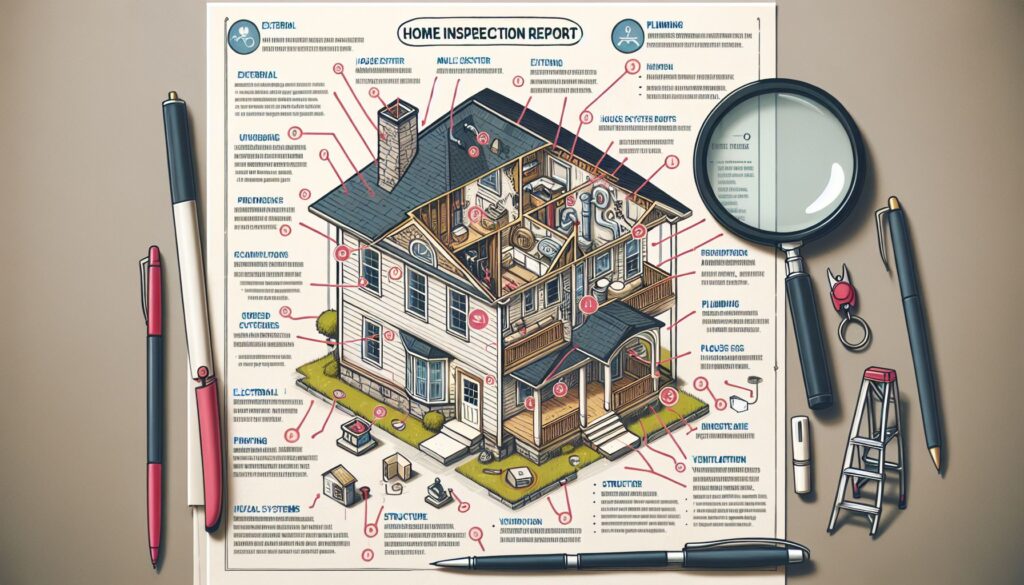
Purchasing a home is one of the biggest investments most people will ever make. As such, it’s important to ensure the property you’re buying is structurally sound and free from costly hidden problems. That’s where a home inspection comes in and the home inspection report becomes your guiding map. In this guide, we will break down the home inspection report for buyers to aid in understanding what to look out for and how to interpret the findings.
What is a Home Inspection Report?
A home inspection report is a detailed document that provides information about the condition of a home. It is prepared by a certified home inspector following a comprehensive evaluation of the property. The report covers all the vital aspects of a home’s structure, systems and features. This includes but is not limited to the roof, foundation, heating and cooling systems, plumbing, electrical systems, windows, doors, and even appliances.
Understanding the home inspection report can be quite daunting as it usually stretches tens of pages, filled with technical terms and intricacies of home infrastructure. So let’s dive deeper into the anatomy of a home inspection report.
Deciphering Each Section of the Home Inspection Report
1. Summary
The summary provides a snapshot of the conditions and safety issues that were found during the inspection. These are usually things that need immediate attention, like electrical problems or a leaky roof.
2. Structure
The structure section details the condition of the home’s foundation, walls, roof, windows, and doors. Look out for words like “settlement”, “heaving”, or “cracking”, which could point to significant structural issues.
3. Exterior
This part delivers information about the exterior surfaces of the home, such as siding, driveways, sidewalks, and fences. Problems with grading or drainage are often reported here too, which could contribute to a wet basement or foundation issues.
4. Roofing
The roofing section describes the condition of the roof, gutters, and downspouts. Pay attention to comments about the estimated age of the roof and when it may need to be replaced.
5. Plumbing
This covers the home’s water supply, drainage, and heating system. It can point out slow drains, low water pressure, or outdated plumbing materials.
6. Electrical
The electrical section is all about the home’s wiring, service panels, circuit breakers, and outlets. Look for notes about ungrounded outlets, or a wiring system that’s not up to current safety standards.
7. Heating, Ventilation, and Air Conditioning (HVAC)
This area of the report covers the home’s system for heating and cooling. The report can tell you about the age and condition of the system and whether it’s appropriate for the size and layout of the home.
8. Interiors
Last but not least, the interiors section mentions the condition of the walls, floors, ceilings, stairs, fireplaces, and built-in appliances.
Additional Reports
Depending on where the property is located, there may be additional reports. These can include pest inspections, radon tests, mold tests, and more.
What to Do After Receiving the Home Inspection Report
Having a home inspection report isn’t enough—you need to know how to use it to your advantage. Here’s what you should do:
Understand Potential Problems
Read the report carefully and identify significant issues. It’s essential to know what could impact your home’s safety, value, or function.
Seek Consultation
If you’re having a hard time understanding the report, don’t hesitate to ask your inspector for help. They should be able to explain their findings in layman’s terms and answer any questions you might have.
Negotiate
If major issues are found, you may leverage this to negotiate the house price with the seller. Alternatively, you could ask them to fix the problem before sales completion, provide a credit towards closing costs, or offer a home warranty.
Important Elements Not Covered in a Home Inspection
It’s also necessary to understand that a home inspection report doesn’t cover everything. The following are typically not included:
- Environmental hazards like radon, asbestos, or mold.
- Infestation by pests (such as termites or rodents).
- The home’s potential for flooding.
- Whether items not affixed to the property (like furnishings) are included in the sale.
Conclusion
Remember, no home is perfect, and a home inspection report is not a fail-or-pass exam. It’s a tool to help you understand a home’s current state and how that might affect your financial future. It’s crucial to approach the report strategically so you can make informed decisions during the purchasing process. Now that you’re armed with the knowledge of breaking down a home inspection report, you’re better equipped to handle the road to homeownership. You might also like to consult with a qualified professional to make the most out of your home inspection report.

