

Whether you’re preparing to sell your home or simply want to maintain its condition, a home inspection can offer useful information about your property’s health. However, the prospect of inviting a professional inspector to scrutinize every corner of your home can be daunting. Fear not, as professionals in the field, we have a handful of key recommendations to help you prepare your home for a comprehensive assessment.
Understanding the Importance of Home Inspections
First, let’s clarify why home inspections matter. An inspection provides a thorough evaluation of your property’s current condition, highlighting potential issues that could compromise its value or safety. Prospective buyers hired inspectors to uncover hidden problems before buying, giving them negotiating power or prompting necessary repairs. But even homeowners not planning to sell could benefit from routine inspections to pinpoint developing issues before they worsen.
Prepare In Advance
Preparation is essential for both sellers and currently occupied homeowners. Careful preparation can streamline the process, minimize the chances of unexpected findings, and create a favorable impression on the inspector. Here’s how to prepare for a home inspection effectively.
Clear the Perimeter
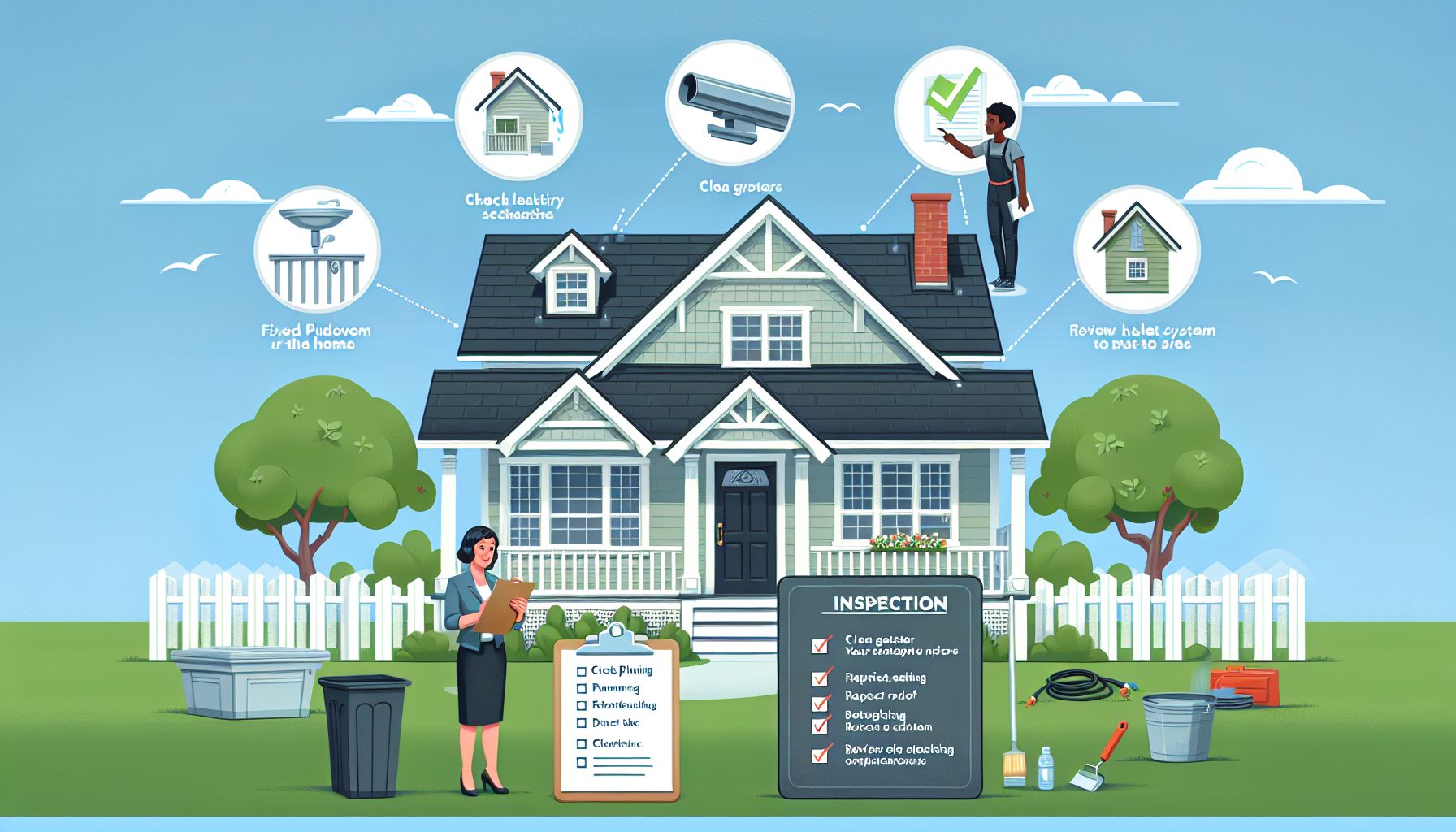
Without obstructing access, professionals cannot adequately inspect your home. Start by clearing the space around your house, including walkways, the driveway, and the home’s foundation. It’s equally crucial to provide unrestricted access to the garage, basement, and attic spaces.
Revisit Repairs
Next, consider any previous repairs or DIY renovations in the house. If these were done without proper permits or professional help, the inspector might identify these areas as potential issues. Ensure that completed repairs are up to code, material receipts are available, and appropriate permits were obtained at the time of renovation.
Cleanliness is Key
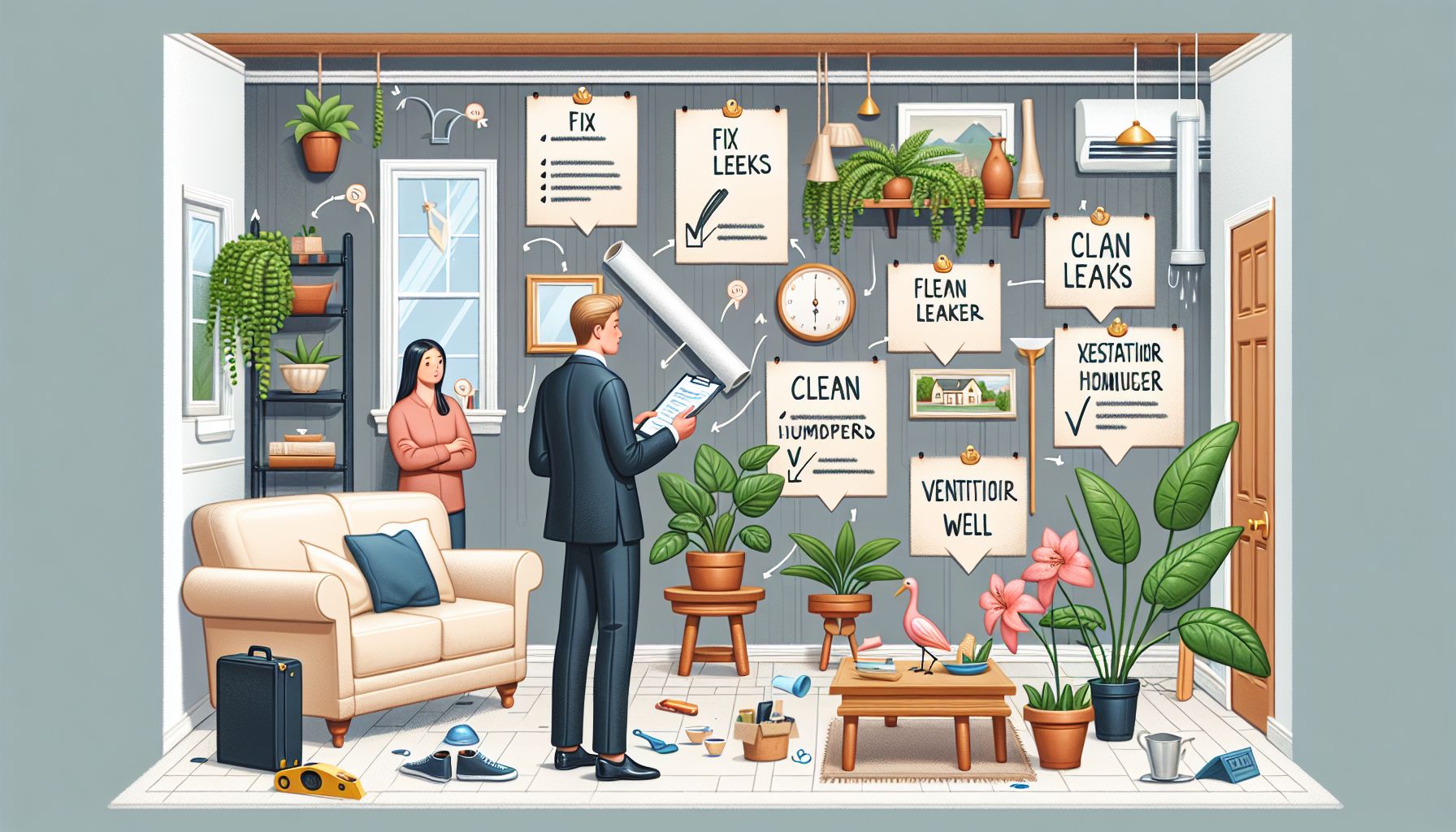
While inspectors focus on mechanical and structural issues, a clean house displays pride in ownership, which can indirectly affect the inspector’s perception. Dedicate some time to cleaning, organizing, and decluttering all areas within your home, including the garage and outdoor spaces.
Check Lighting and Alarms
Replacing dead light bulbs and ensuring that smoke and carbon monoxide detectors are functional can save time during the inspection. A burned-out light can lead an inspector to believe there are electrical problems, a faulty switch, or bad wiring.
Keep Service Records Handy
The more information you can provide about the maintenance and upgrades performed on your home, the better. These records prove that you’ve maintained the house properly, which can be a valuable asset during negotiations, especially if you are a seller.

Provide Access
Finally, remember, no access equals no inspection. Ensure the inspector can access critical areas like electrical panels, water heater, furnace, air conditioning units, and under sinks. Unlock all doors, gates, or panels to these areas before the inspection begins.
The Professional Touch
While your preparation efforts can alleviate some concerns, keep in mind that home inspection involves a detailed, trained eye. Consider hiring a professional home inspector for your pre-inspection if you want a comprehensive rundown of potential issues to address before the real inspection.
Remember, the purpose of home inspections isn’t to rate your housekeeping skills, but to detect significant problems. Addressing these outlined concerns before an inspection can go a long way towards ensuring a smoother, less stressful process. For a more detailed guide on how to prepare for a home inspection, check out this comprehensive checklist.
Closing this guide with a word of caution: while the aspects we’ve covered could aid the inspection process, it’s not an exhaustive list. Depending on your property’s age and condition, there may be other specific issues that require attention. Be proactive, invest in home maintenance, and you’ll be ready when the inspector drops by.

