
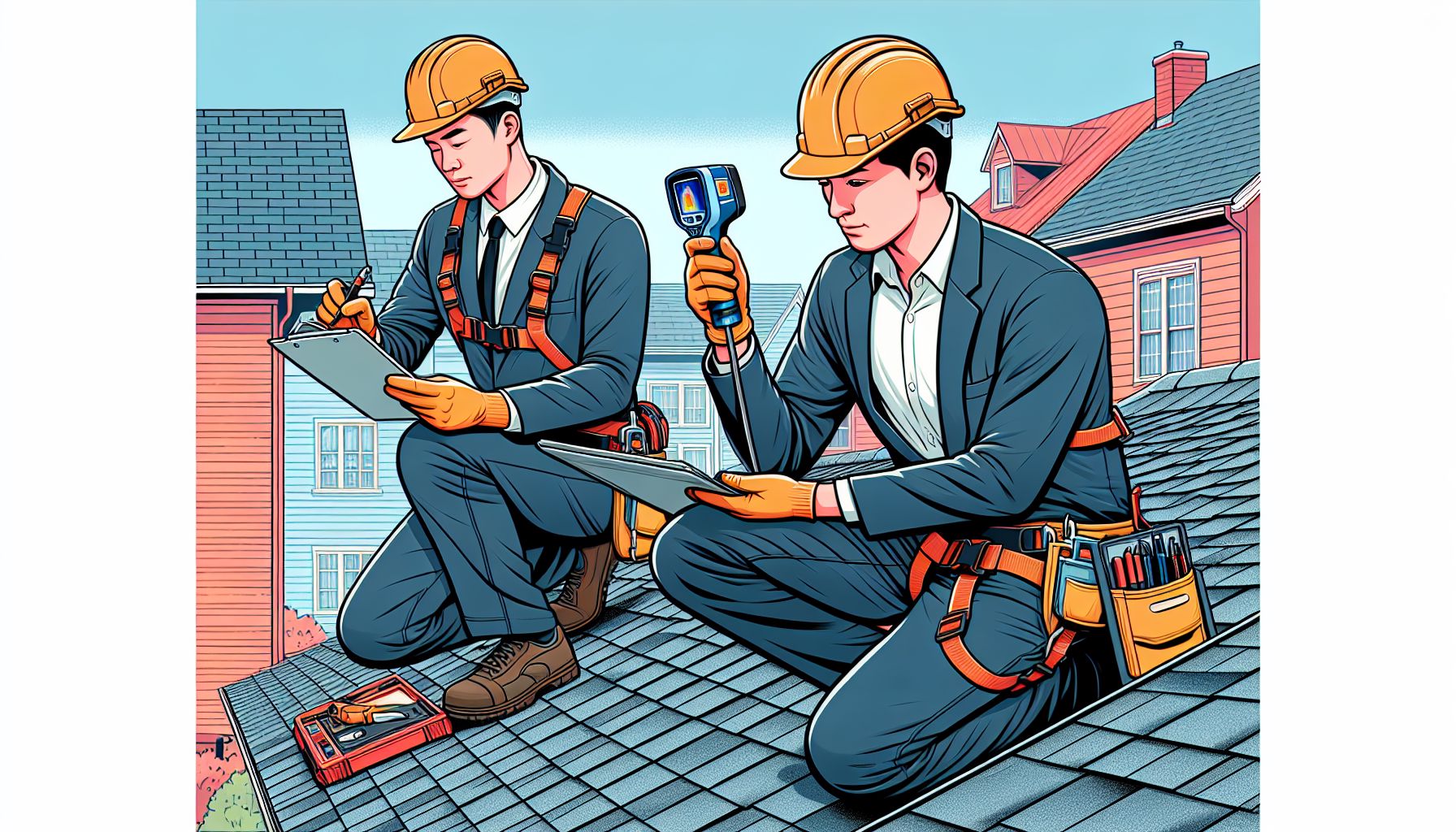
Roof inspection is an essential aspect of determining the integrity and safety of a home. More often than not, home inspectors are tasked with the responsibility of evaluating the state of a house’s roof and roofing system as part of their comprehensive assessment of a building. These inspections often reveal crucial insights about the condition of a building that may be necessary for potential buyers, homeowners, or estate agents in their decision-making process.
In this article, we delve into the ways home inspectors evaluate roofs and roofing systems. Knowing how this process works can be helpful to homeowners and prospective buyers alike, giving them insights into what to look for in a thorough inspection, and what the findings of such an inspection could mean for their property.

The Roof Inspection Process
Typically, the roof inspection process revolves around identifying signs of damage, aging, and inspecting the quality of the roofing materials. This process attempts to uncover any areas that may require attention, maintenance, or replacement. Some critical areas that are checked during a roof inspection include:
-
The Roofing Material: This involves inspecting the condition of the shingles, tiles, or other roofing materials. Inspectors search for signs of damage such as cracked, loose, or missing shingles.
-
Flashings: The inspector checks for damaged or deteriorating flashings at the edges of chimneys, skylights, and other roof penetrations.
-
Gutters and Downspouts: They also ensure that these are securely attached, clear of debris, and functioning correctly.
-
Ventilation Systems: Inspectors determine if the roof’s ventilation system is adequate and ensure attic insulation does not block roof vents.
-
The Interior Condition: This involves an inspection of the attic for signs of leaks, water stains, or other damage.

The Importance of Comprehensive Roof Inspection
A comprehensive roof inspection is essential due to several reasons. Foremost, it can prevent unnecessary costs that may arise from roof damage that could have been detected earlier. By identifying minor problems before they escalate into significant issues, homeowners can save a lot of money and inconvenience in the long term.
Secondly, a comprehensive roof inspection provides an accurate condition assessment that is vital during a property purchase. By having a clear understanding of the roof’s condition and the potential expense in repairs or replacement, potential home buyers can negotiate appropriately, thereby ensuring they pay a fair price for the property.

The Role of Technology in Roof Inspections
Modern technology has greatly improved the efficiency and accuracy of roof inspections. Tools like drones, infrared, and 3D imaging have become integral to the roof inspection process. For instance, drones can safely provide close-up views of roofs, even those that are difficult or unsafe to climb onto.
Infrared technology can detect moisture that might be missed by the naked eye, and 3D imaging allows for detailed incident reports, showing exactly where faults are, thereby leading to quicker repairs. These technologies not only make the inspection process safer, but they also ensure that even the most hidden damages are brought to light.
Conclusion
With this comprehensive view of how inspectors evaluate roofs and roofing systems, you should now have insight into what to expect during the process. Whether you’re a homeowner wanting to maintain your property, or a prospective buyer aiming to make a sound investment, understanding these inspection processes can be a valuable aid in your real estate journey.
Remember that the aim of a roof inspection is not just to identify problems, but to provide solutions. Having a professionally conducted inspection is an investment worth making, given the potential savings in future repair and replacement costs. For further reading and understanding, don’t forget to check the roof inspection essentials.

