
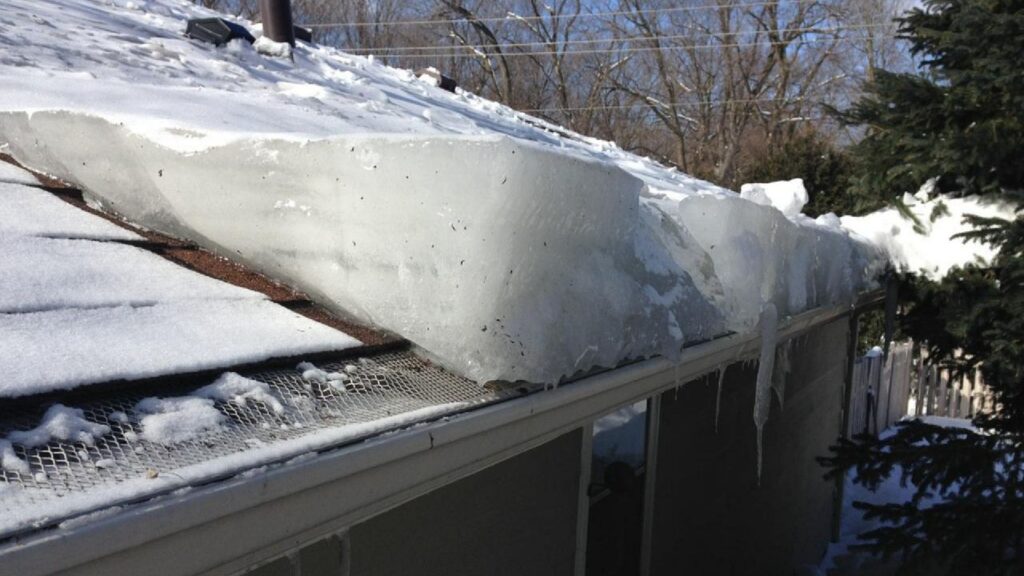
Winter can bring many beautiful things: cozy nights by the fire, snowy landscapes, and the holiday season. However, it also brings challenges for homeowners, particularly when it comes to the threat of ice dams. Ice dams can cause significant damage to your home if left unchecked, affecting your roof, gutters, and even the interior of your house. Fortunately, preventing ice dams is possible with the right knowledge and proactive measures.
At homeinspector.blog/, we understand how important it is to keep your home safe from winter-related issues. Here's a guide to help you prevent ice dams and ensure your home stays warm, dry, and damage-free throughout the colder months.
What Are Ice Dams?
Ice dams form when heat from your home escapes through the roof and melts the snow on top of it. The melted water runs down the roof and refreezes at the eaves (the edges of the roof), where temperatures are colder. Over time, this creates a barrier of ice that prevents additional melting snow from draining off the roof. The trapped water can then leak under shingles, causing damage to the roof, gutters, siding, and even the interior of your home.
How Ice Dams Can Damage Your Home
Ice dams can result in costly repairs if not addressed promptly. Some common issues caused by ice dams include:
- Roof damage: The weight of the ice can damage shingles, flashing, and gutters.
- Water leakage: Trapped water can leak into the attic and walls, causing stains, mold growth, and even structural damage.
- Gutter damage: The ice buildup can cause gutters to pull away from the roof, bend, or crack.
- Insulation damage: Water leaks can damage insulation, which may require replacement.
Tips to Prevent Ice Dams
Fortunately, you can take several proactive measures to prevent ice dams from forming in the first place. Here’s how to protect your home:
1. Ensure Proper Insulation in the Attic
The most effective way to prevent ice dams is to ensure your attic is adequately insulated. If warm air escapes from your living spaces into the attic, it can warm the roof and lead to melting snow, refreezing at the eaves. Adding sufficient insulation to the attic floor will help keep heat inside your home and prevent this issue.
- R-Value: Ensure your attic insulation meets the recommended R-value for your region. A higher R-value indicates better insulation performance.
- Seal air leaks: Ensure no gaps or cracks in the attic allow warm air from the living spaces to escape.
2. Ventilate Your Roof Properly
Proper roof ventilation allows air to flow through the attic, keeping the roof temperature even and reducing the chance of melting snow. This can prevent the formation of ice dams by ensuring that any snow that melts on the roof can safely drain away.
- Ridge vents and soffit vents: These vents work together to allow air to flow through the attic, keeping the roof cool and preventing the snow from melting unevenly.
- Attic fan: An attic fan can help increase ventilation in areas where natural airflow may not be enough.
3. Clear Snow from the Roof
If you live in an area with heavy snowfall, clearing the snow off your roof effectively prevents ice dams. Removing snow reduces the amount of moisture that could melt and refreeze at the edges of the roof.
- Roof rake: Use a roof rake with a long handle to safely remove snow from the roof. Be sure to avoid standing directly under the snow as you rake, as snow can fall unexpectedly.
- Professional help: If the snow build-up is extensive or you’re uncomfortable clearing the roof, consider hiring a professional to remove the snow.
4. Maintain Gutters and Downspouts
Ensure your gutters and downspouts are clear of debris such as leaves, twigs, or ice. Clogged gutters can prevent proper water drainage, possibly damaging ice dam formation. Regularly clean your gutters to ensure they are free-flowing, and inspect them for damage.
- Heated cables: In particularly cold climates, you may want to install heated cables along the roofline and gutters. These cables can help prevent ice from forming and allow for better water flow.
5. Seal Gaps and Cracks Around the Home
Check for any gaps or cracks in your home’s exterior, particularly around the attic and roof. Warm air leaking through these areas can increase the chances of ice dam formation. Use caulking or weatherstripping to seal any leaks and ensure that warm air stays inside your living spaces.
- Seal attic windows and vents: Inspect the seals around attic windows, skylights, and vents. Repair or replace any faulty seals that could allow heat to escape.
6. Install Ice and Water Shielding
If you are undergoing a roof replacement or major roofing project, consider installing ice and water shielding. This special underlayment prevents water from penetrating the roof even if ice dams form.
- Professional installation: Work with a roofing professional to install the ice and water shield properly, especially along the eaves where ice dams are most likely to occur.
When to Call a Professional
If you’ve already experienced ice dam issues or suspect they may form, it’s essential to have a professional inspect your roof and attic. A quality home inspection includes thorough checks of your roof, attic, and insulation. Our inspectors can provide recommendations to help you avoid ice dams and ensure your home stays safe throughout the winter months.
Conclusion: Protect Your Home from Ice Dams
Ice dams are a serious threat to your home during the winter, but they can be prevented with the right precautions. By ensuring proper insulation, ventilation, and roof maintenance, you can keep your home protected and avoid costly repairs. If you’re unsure of the condition of your roof or attic, schedule an inspection with a certified inspector today. A professional inspector help you identify potential issues and take steps to safeguard your home from ice dams.
See more tips about protecting your roof system during the winter. To find an inspector visit InterNACHI’s directory and tay ahead of winter’s challenges.

