
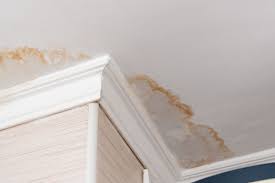
During interior home inspections, few things catch an inspector’s attention faster than a stain on the ceiling.
To many homeowners, a ceiling stain may appear to be an old issue that was already repaired.
Maybe the roof leaked years ago. Maybe a pipe burst during a winter freeze. The stain remained, but the problem was fixed.
Sometimes that explanation is accurate.
But experienced inspectors know that ceiling stains can tell a much more complicated story.
Why Water Leaves Permanent Evidence
When water enters building materials such as drywall or plaster, it carries dissolved minerals and contaminants along with it.
As the moisture dries, those materials remain behind.
This creates the familiar yellow, brown, or rust-colored staining often seen on ceilings.
Even if the leak stops completely, the stain itself remains as a record of what happened.
Because of this, stains can persist for years—even after the original issue was corrected.
The Shape of the Stain Matters
Inspectors often study the shape and location of ceiling stains carefully.
Different water sources tend to produce different patterns.
Roof leaks often create irregular stains that follow roof framing members or insulation patterns above the ceiling.
Plumbing leaks, on the other hand, may produce smaller, more concentrated stains directly below pipes or fixtures.
HVAC condensation issues may leave circular or ring-shaped patterns near ducts or air handlers.
Understanding these patterns helps inspectors consider possible sources of moisture intrusion.
The Challenge of “Repaired” Stains
One of the more complicated situations occurs when stains have been painted over.
Fresh paint can temporarily hide discoloration, but stains frequently bleed through the paint over time.
Inspectors sometimes notice subtle differences in ceiling texture or color that suggest a stain may have been previously covered.
When this occurs, it raises an important question:
Was the underlying cause actually corrected?
Or was the stain simply concealed for cosmetic reasons?
The Role of the Attic
In many cases, investigating ceiling stains requires looking above the ceiling.
Attic inspections often reveal clues such as:
- water stains on roof sheathing
- damp insulation
- plumbing connections above the ceiling
- HVAC equipment or condensate lines
These observations can help determine whether the moisture issue may still be active.
Even when the attic appears dry at the time of inspection, evidence of past water intrusion may still be visible on framing members or insulation.
Why Small Leaks Can Cause Big Damage
Water does not need to enter a home in large quantities to cause damage.
A slow leak that occurs repeatedly during rainstorms or seasonal weather changes can gradually saturate insulation, framing, and drywall.
Over time, this moisture can lead to:
- deterioration of ceiling materials
- mold growth in hidden areas
- damage to structural components
Because these leaks often occur intermittently, homeowners may not realize the extent of the problem.
Why Ceiling Stains Should Never Be Ignored
Not every ceiling stain indicates an active problem.
Some stains truly are remnants of past issues that have been fully resolved.
But from an inspection standpoint, stains deserve attention because they indicate that water entered the structure at some point.
Understanding when and why that occurred is important for evaluating the condition of the home.
For inspectors, a ceiling stain is more than just a cosmetic flaw.
It’s a piece of evidence—one that may point to hidden conditions above the ceiling that deserve a closer look.
And sometimes, that faint discoloration is the only visible clue that the house once had a problem with water.

