
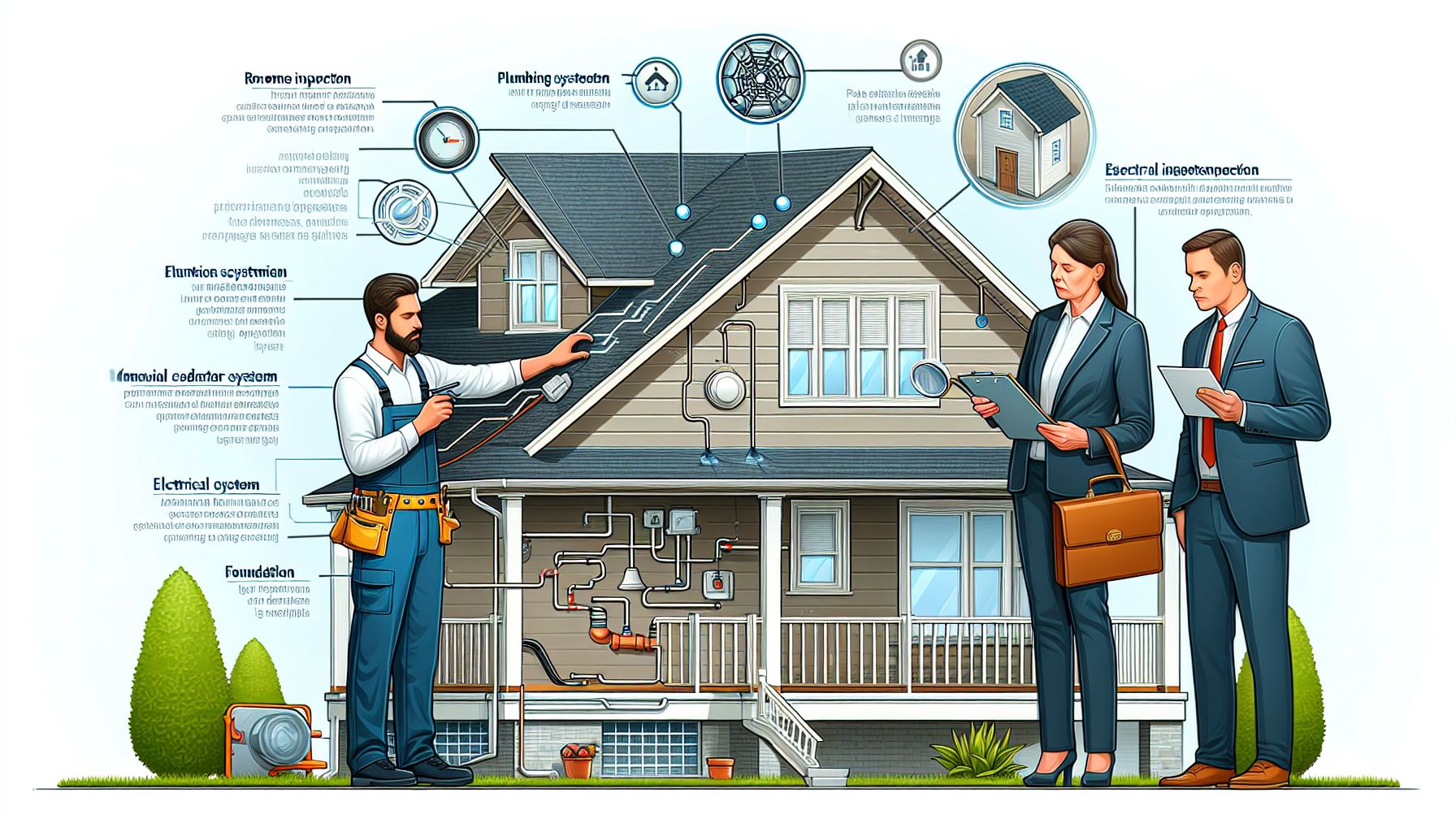

As a potential homeowner or property investor, the process of purchasing a house, especially for the first time, can be tiring and time-consuming. A pivotal part of this process is what insiders refer to as ‘home inspection.’ This post aims to demystify the home inspection stage and showcase its relevance and importance.
What is a Home Inspection?
A home inspection is an objective visual examination of a home’s physical structure and systems, from the roof to the foundation. The purpose of this process is to identify any existing or potential problems that could affect the value, safety, or liveability of the home. This exercise is typically carried out by a professional home inspector who has the training, skills, and certifications to perform such inspections effectively.
Why is a Home Inspection Necessary?
The necessity of a home inspection cannot be overemphasized. Below outlines some of the most critical reasons:
Risk Mitigation: Purchasing a home is a significant investment, if not the most substantial, for most people. As such, a home inspection helps the buyer ascertain the condition of the house and help prevent potential disasters. It can identify systems or components at the end of their useful life and help unveil conditions not readily visible to an untrained eye.
Negotiation Leverage: The results from a home inspection can provide negotiation leverage. For instance, if the home inspector identifies issues that need attention, the buyer can negotiate for a lower price, ask the seller to fix the problems, or withdraw from the deal without penalties.
Educational Tool: It offers an opportunity to learn about the home and get information about the location of important components. The inspector can explain how to maintain these components to prolong their life span.
For an easy-to-understand and comprehensive home inspection guide, you can visit here.
Components of a Home Inspection
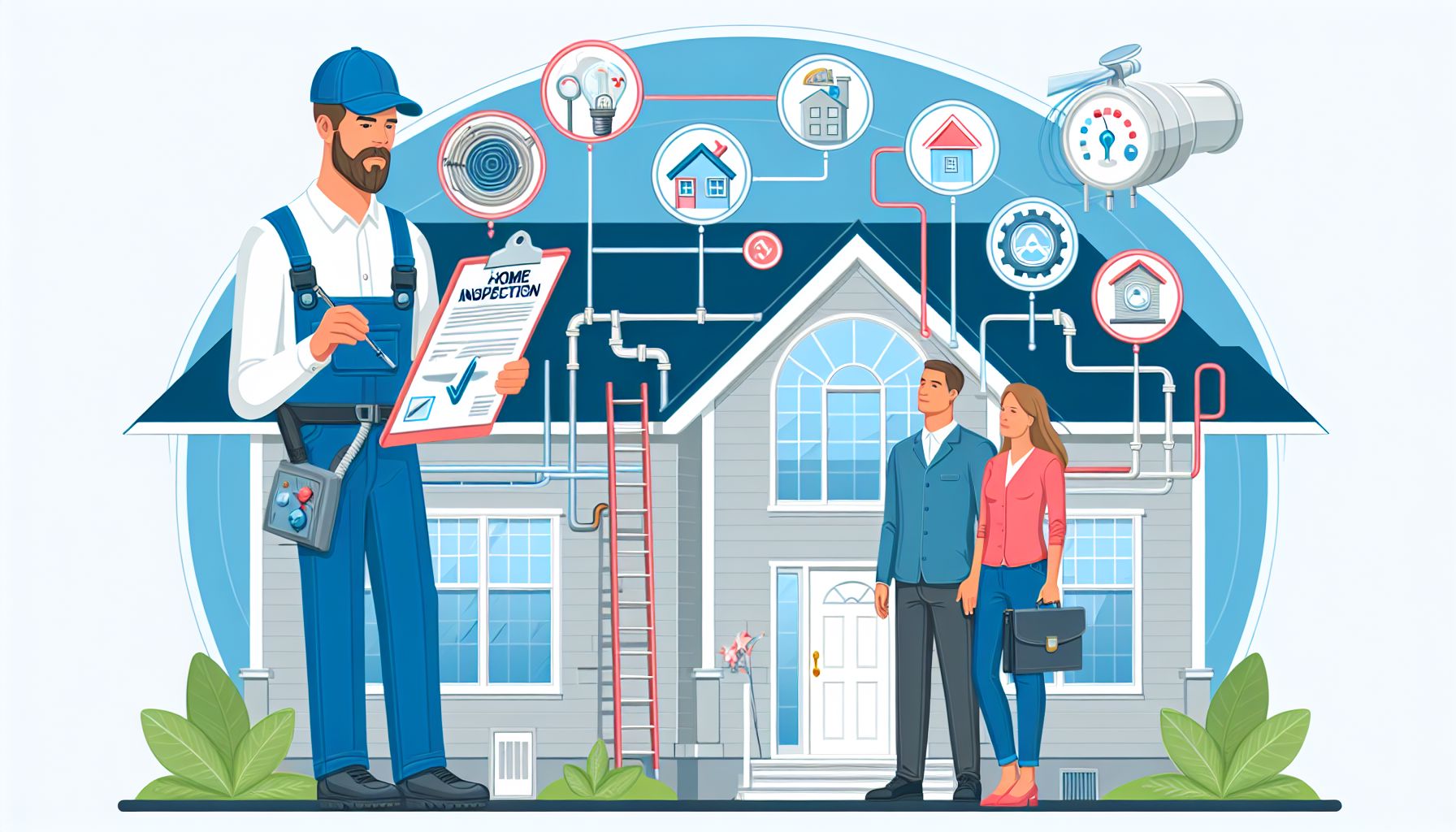
A comprehensive home inspection includes a review of several components.
These include the home’s heating system, central air system, interior plumbing, electrical systems, roof, attic, visible insulation, walls, ceilings, floors, windows, doors, foundation, basement, and more.
Who Bears The Cost of a Home Inspection?
Typically, the buyer pays for the home inspection. Even though it’s on the buyer’s tab, the value it offers is immense. The cost of a home inspection varies based on factors like location, size of the property, age of the house, among others.
When Do I Need a Home Inspector?
The best time to consult a home inspector is right after you’ve made an offer on a home and before closing the sale. Negotiating the home inspection into your purchase contract will give you the right to withdraw from the deal if the inspector finds severe problems.

Limitations of Home Inspection
While home inspection offers numerous benefits, it has its limitations. For instance, a home inspector does not predict the home’s future conditions, lifespan, or efficiency. They also do not advise on the purchase of the property.
The Takeaway
In conclusion, a home inspection is crucial to any property purchase process. It identifies underlying problems that might be expensive to fix in the future, thereby saving the buyer unnecessary expenses. Although it requires some cost from the buyer, a home inspection is in most cases a worthwhile investment.
For more insightful content on home inspection and other related topics, keep checking our blog. With many years of experience as a professional home inspector, we are committed to providing authoritative, informative, and educational content.

