
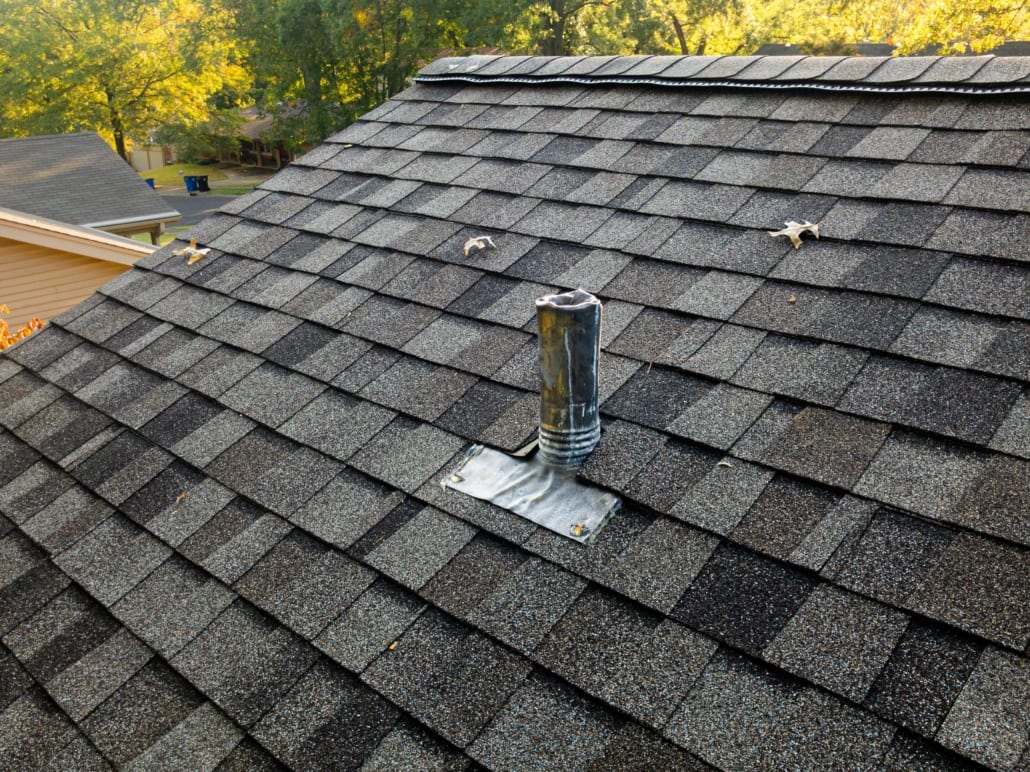
The roof is one of the most critical components of any home. It protects the structure, keeps the interior safe from the elements, and contributes significantly to the property’s overall value. When purchasing a home, a roof inspection is a key part of the home inspection process. But what exactly do home inspectors look for when they inspect a roof? Let’s dive into the details.
Exterior Roof Inspection
The exterior of the roof is the first point of focus. Home inspectors typically assess the roof’s condition from ground level, using binoculars, and may also inspect it up close, either by climbing onto the roof or using a drone. Here are the main factors they evaluate:
- Roof Covering Material Inspectors examine the type and condition of the roofing material, whether it’s asphalt shingles, metal, tile, or another material. They look for:
- Missing, cracked, or curling shingles
- Rust or corrosion on metal roofs
- Cracks or broken tiles
- Signs of hail damage or impact marks
- Flashing and Seals Roof flashing, often installed around chimneys, vents, and skylights, is checked to ensure it’s intact and properly sealed. Damaged or loose flashing can lead to leaks.
- Gutters and Downspouts Gutters and downspouts play a vital role in directing water away from the home. Inspectors check for:
- Proper attachment and alignment
- Clogs, debris, or sagging sections
- Signs of water overflow or damage to fascia boards
- Roof Penetrations Vents, chimneys, and skylights are common points of penetration. Inspectors ensure these areas are securely sealed and free of water intrusion.
- Overall Structure The roof’s slope, sagging areas, or uneven surfaces may indicate structural issues. Inspectors assess whether the roofline is straight and if any areas require further evaluation.
Interior Roof Inspection
The roof’s condition isn’t just evaluated from the outside. Inspectors also examine the attic and interior spaces for signs of damage. Here’s what they look for:
- Water Stains and Leaks Discolored patches on walls or ceilings, as well as visible leaks, are telltale signs of roof damage. Inspectors investigate the source of any water intrusion.
- Ventilation Proper ventilation is essential to maintain the roof’s lifespan and prevent moisture buildup. Inspectors evaluate:
- Intake and exhaust vents
- Signs of mold or mildew caused by poor airflow
- Insulation Inspectors assess the insulation in the attic to ensure it’s sufficient and hasn’t been compromised by water damage.
- Structural Integrity The roof’s framing, including rafters and trusses, is inspected for signs of rot, sagging, or other structural concerns.
Common Issues Found During Roof Inspections
Home inspectors often encounter a variety of issues when inspecting roofs. Some of the most common include:
- Leaks and Water Damage: Often caused by damaged shingles, flashing, or clogged gutters.
- Aging Roofs: Roofs nearing the end of their lifespan may show excessive wear and tear.
- Improper Repairs: DIY fixes or unprofessional work can lead to significant problems over time.
- Animal Damage: Squirrels, raccoons, or birds can cause damage by nesting or chewing through roofing materials.
Why a Roof Inspection Matters
A thorough roof inspection provides critical insights for both buyers and sellers. For buyers, it can reveal potential costly repairs or maintenance needs. For sellers, addressing roof issues beforehand can prevent surprises during the negotiation process and improve the home’s marketability.
Final Thoughts
The roof is an essential part of any home, and ensuring it’s in good condition is vital for long-term peace of mind. A professional home inspection that includes a detailed roof assessment can save homeowners from unexpected expenses and help maintain the property’s value. When hiring a home inspector, make sure they have the expertise and tools to evaluate the roof thoroughly—it’s a step you can’t afford to skip.

