
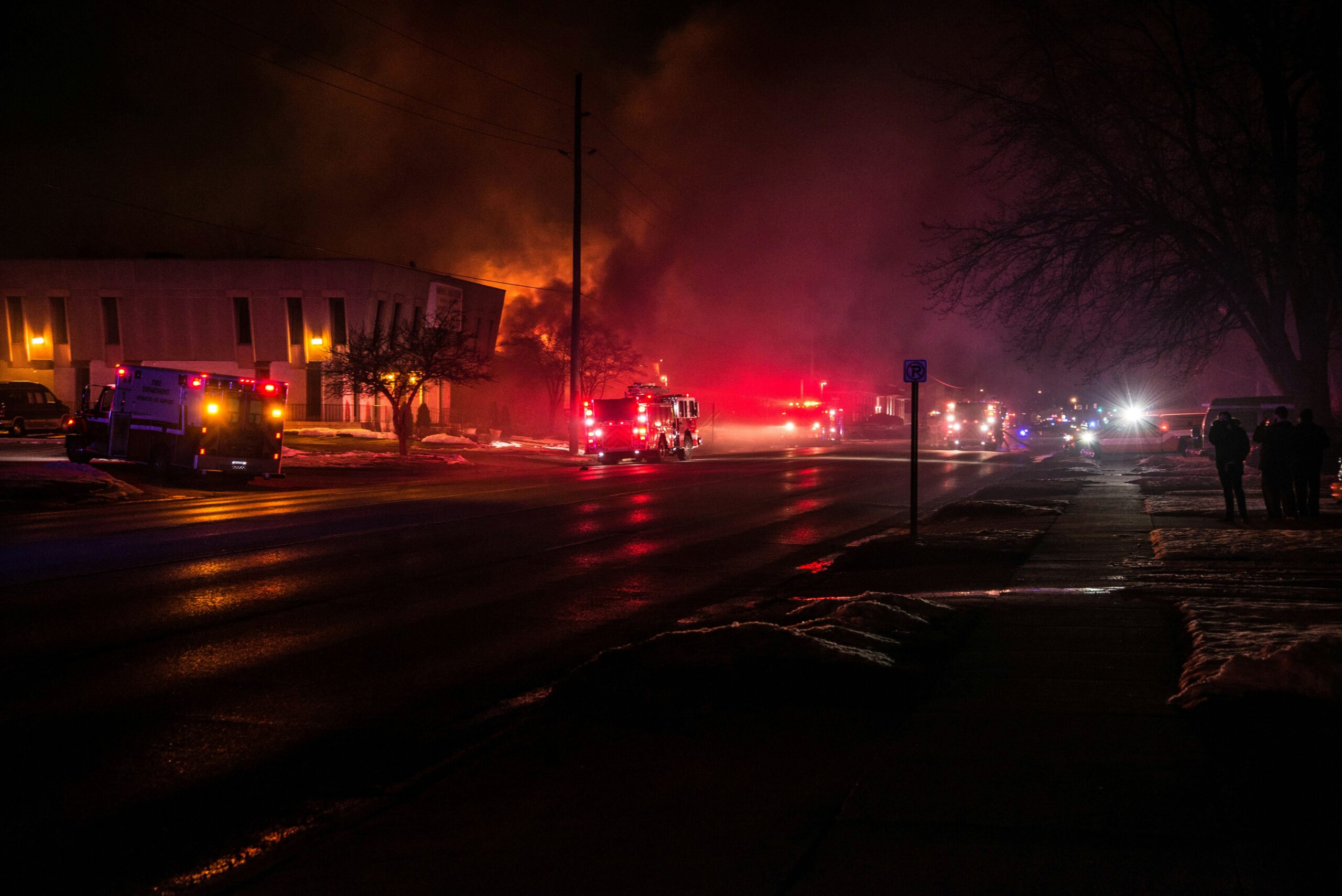
Electrical fires are a leading cause of house fires, often stemming from unseen issues behind the walls. Faulty wiring, overloaded circuits, and outdated electrical panels are among the most common culprits. However, with the right knowledge and preventive measures, homeowners can greatly reduce the risk of an electrical fire. In this article, we’ll dive into how these hazards contribute to fires, what steps homeowners can take to protect their homes, and how inspectors help identify potential dangers.
1. How Faulty Wiring, Overloaded Circuits, and Outdated Panels Contribute to Electrical Fires
Faulty Wiring
Over time, the wiring in a home can degrade due to age, physical damage, or improper installation. This creates conditions where electrical currents may not flow properly, increasing the risk of shorts and sparking fires.
- Frayed or Exposed Wires: Damaged insulation on wiring can leave exposed wires, which may contact flammable materials or cause a short circuit.
- Improper Splices and Loose Connections: Unprofessionally installed wiring, often found in DIY home improvements, can lead to dangerous connections. Loose or improperly spliced wires can generate heat, potentially leading to an electrical fire.
- Outdated Wiring Systems: Older homes that still rely on knob-and-tube or aluminum wiring are at higher risk. These systems were not designed to handle modern electrical loads and can overheat, posing a significant fire hazard.
Overloaded Circuits
Modern households use more electrical devices than ever before, but many homes, especially older ones, were not designed to accommodate the demands of today’s electronics. When too many devices are plugged into a single circuit, the circuit can become overloaded, causing the breaker to trip or, worse, leading to overheating and fire.
- Overuse of Extension Cords and Power Strips: Plugging too many devices into a power strip or extension cord is a common mistake that can overload a circuit. If the circuit breaker doesn’t trip, the wiring can heat up and eventually catch fire.
- Overloaded Outlets: Overusing outlets by plugging in multiple high-wattage appliances, such as space heaters, microwaves, or air conditioners, can strain circuits and wiring, leading to overheating.
Outdated Electrical Panels
Homes with outdated electrical panels may not have the capacity to support modern electrical needs, and they may not offer the necessary safety features to prevent fires.
- Fuse Boxes: Some older homes still have fuse boxes rather than modern circuit breaker panels. Fuses can blow, and homeowners may be tempted to use higher-amp fuses that could overload the system and cause a fire.
- Inadequate Circuit Breakers: Even with newer breaker panels, older homes might have insufficient circuit breakers for modern electrical demands. Overloaded breakers may fail to trip, allowing dangerous heat to build up.
2. Practical Tips for Homeowners to Reduce Fire Risks
While electrical issues can be serious, there are steps homeowners can take to mitigate the risks and keep their homes safe.
Avoid Overloading Circuits
- Distribute Power Use: Be mindful of how many high-wattage devices you plug into a single circuit. Spread out the use of heavy appliances (like dryers, microwaves, or space heaters) across multiple circuits to avoid overloading.
- Use Power Strips Safely: Avoid daisy-chaining power strips (plugging one into another) and use power strips with built-in circuit breakers to prevent overheating.
Inspect and Maintain Electrical Outlets and Cords
- Check for Warm or Discolored Outlets: If you notice that outlets are warm to the touch or have discoloration around them, it could indicate an electrical problem that needs attention.
- Replace Damaged Cords: Never use appliances or devices with frayed or damaged power cords. These cords can spark, leading to a fire.
Install GFCIs and AFCIs
- Ground Fault Circuit Interrupters (GFCIs): Install GFCIs in areas where moisture is present, like kitchens and bathrooms. These outlets cut off power when they detect a ground fault, reducing the risk of shock and fire.
- Arc Fault Circuit Interrupters (AFCIs): AFCIs detect dangerous electrical arcs that could lead to a fire and are often required in bedrooms and living areas. Upgrading outlets and breaker panels to include these protections can significantly reduce fire risks.
Schedule Regular Electrical Inspections
- Annual Checkups: Have a licensed electrician inspect your home’s wiring and electrical panel every few years, or annually if you live in an older home. Regular inspections can catch potential problems before they become fire hazards.
- Upgrade Outdated Systems: If your home still has knob-and-tube wiring, aluminum wiring, or a fuse box, consider upgrading to modern electrical systems that offer better safety features.
3. What Inspectors Focus on to Spot Potential Hazards
When home inspectors assess electrical systems, they’re on the lookout for common red flags that could indicate fire risks. Here’s what they typically focus on:
Wiring Condition
Inspectors will visually assess the condition of the wiring in accessible areas, such as attics, basements, and crawl spaces. They check for outdated wiring types (like knob-and-tube or aluminum), exposed wires, and damaged insulation. Any signs of deterioration or overheating are flagged as potential fire risks.
Breaker Panel Evaluation
Inspectors examine the electrical panel to ensure that it is up to modern standards and functioning properly. They’ll look for the following issues:
- Overloaded Circuits: Inspectors check to see if circuits are overloaded, meaning more electrical demand is placed on the circuit than it can safely handle.
- Double-Tapped Breakers: This occurs when two wires are connected to a single breaker designed for only one. It’s a common wiring error that can lead to overheating and fires.
- Old Panels: Inspectors look for outdated panels or fuse boxes that are no longer up to code, recommending replacements when necessary.
Outlets and Fixtures
Inspectors will test outlets and fixtures throughout the home to ensure they are functioning correctly and safely. They will check for:
- Ungrounded Outlets: Older homes may have ungrounded two-prong outlets that don’t provide protection against electrical faults.
- GFCI and AFCI Outlets: Inspectors check to make sure that GFCI and AFCI outlets are installed in the required areas, such as kitchens, bathrooms, and bedrooms. They will also test these outlets to ensure they’re working properly.
Heat Detection Tools
In some cases, inspectors may use infrared thermography to detect overheating in walls, wiring, and outlets. These tools can identify hot spots that indicate an electrical problem before it becomes visible or causes damage.
Conclusion
Preventing electrical fires starts with understanding the risks—faulty wiring, overloaded circuits, and outdated panels are the biggest threats. By taking a few proactive steps, like upgrading old wiring, using GFCI and AFCI outlets, and scheduling regular inspections, homeowners can significantly reduce their risk of an electrical fire. Home inspectors play a critical role in identifying potential hazards, offering recommendations to address issues before they become dangerous. Investing in electrical safety isn’t just about protecting your home—it’s about protecting your family.

