
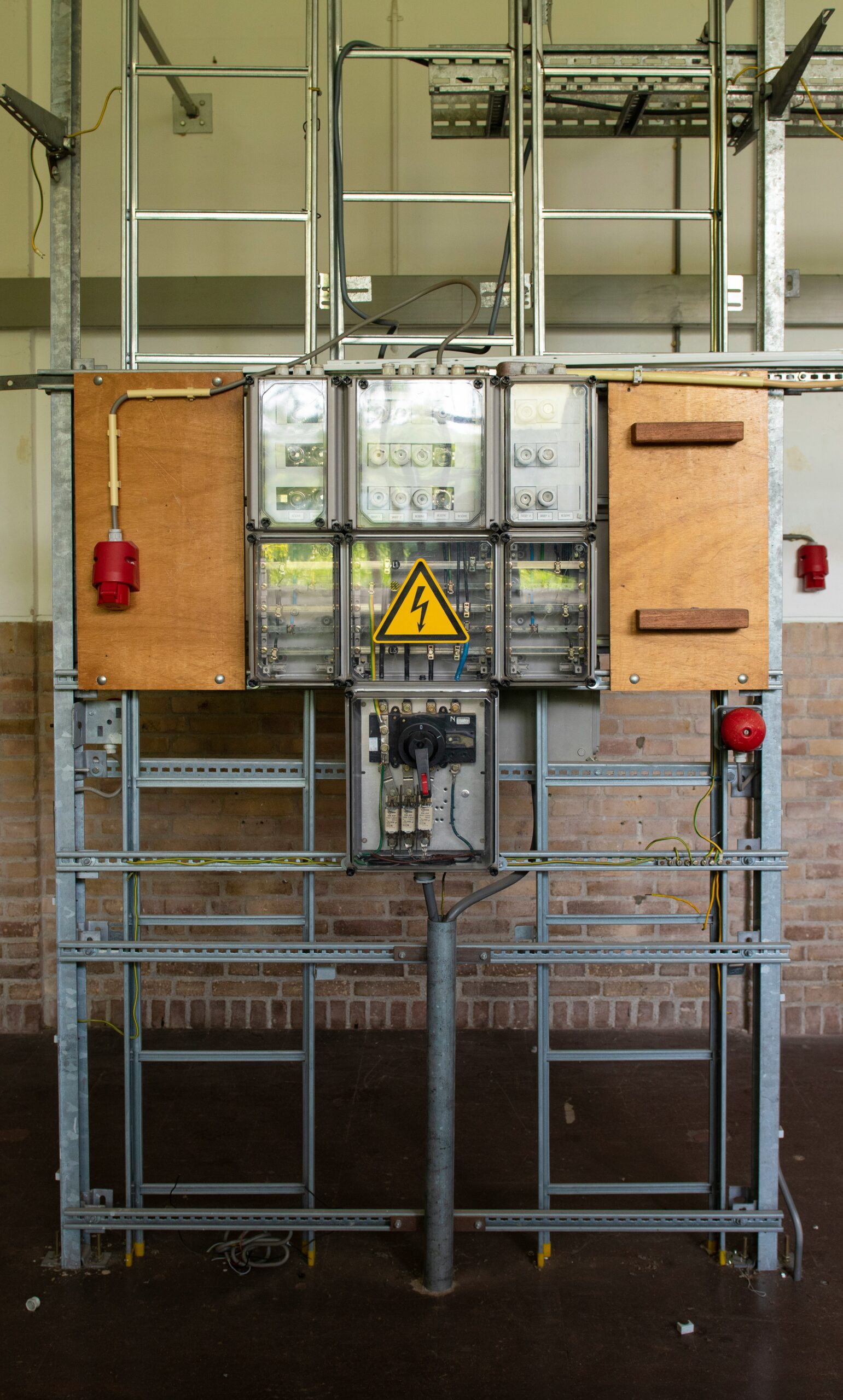
Your home’s electrical system is a complex network of wires and circuits that keep your appliances running and your lights on. But there’s one crucial element that many homeowners overlook—grounding. Proper grounding is essential for the safety and functionality of your home’s electrical system. In this article, we’ll explore what grounding is, why it’s vital for your home’s safety, and how to ensure your electrical system is properly grounded.
1. What Is Grounding and Why Is It Crucial for Home Safety?
What Is Grounding?
Grounding refers to the process of connecting an electrical circuit to the earth, creating a safe path for excess electricity to travel in case of a fault. In a properly grounded system, electricity has a designated escape route in the event of a short circuit or other electrical issue. This safety measure helps protect both your electrical devices and the people in your home.
Why Grounding Is Important for Safety:
- Prevents Electrical Shock: If an electrical system is not grounded, there’s a risk that exposed metal parts (like those on appliances or outlets) can become energized. If a person touches an ungrounded appliance that’s carrying a fault current, they can receive a dangerous electric shock. Grounding directs that excess current safely into the ground instead.
- Protects Against Electrical Fires: When circuits become overloaded or wiring is faulty, ungrounded systems are at a higher risk of electrical fires. Grounding helps prevent excess electricity from building up in wiring and overheating, significantly reducing the risk of fire.
- Improves Device Longevity: Electrical devices and appliances in your home are designed to work with a grounded system. Without grounding, electrical surges can damage sensitive equipment like computers, televisions, and kitchen appliances. Proper grounding helps stabilize voltage levels, protecting these devices from damage.
2. Common Problems Found in Older Homes Without Proper Grounding
Many older homes, especially those built before the 1960s, lack proper grounding or may have outdated grounding systems that no longer meet modern electrical standards. Common issues include:
- Two-Prong Outlets: Homes built in the mid-20th century often have two-prong outlets, which do not provide grounding. These outlets are a clear sign that the electrical system may not be properly grounded. Replacing these outlets with modern three-prong, grounded outlets is essential for safety.
- Ungrounded Circuits: Even if a home has some three-prong outlets, it doesn’t necessarily mean the entire electrical system is properly grounded. Many older homes have ungrounded circuits behind those three-prong outlets, which can create a false sense of security.
- Faulty or Deteriorating Grounding Systems: Over time, the grounding systems in older homes can become damaged or corroded, reducing their effectiveness. Loose connections, poor installation, or physical damage to grounding wires can create serious safety risks. In some cases, homes may not have any grounding system in place at all.
- Outdated Wiring (Knob-and-Tube or Aluminum): Homes with knob-and-tube or aluminum wiring often lack a proper grounding system, which compounds the risks associated with these outdated wiring methods. In such cases, a complete upgrade to modern wiring with proper grounding is often recommended.
3. What Homeowners Need to Know About Ensuring Proper Grounding
If you’re unsure whether your home’s electrical system is properly grounded, there are a few steps you can take to ensure your family’s safety:
Schedule an Electrical Inspection:
A licensed electrician or home inspector can evaluate your home’s electrical system to determine if it’s properly grounded. They’ll inspect your outlets, wiring, and electrical panel to check for any signs of grounding issues. If problems are found, they can recommend necessary repairs or upgrades.
Upgrade to Grounded Outlets:
If your home has two-prong outlets, it’s time for an upgrade. Replacing these outlets with three-prong, grounded outlets is one of the most straightforward ways to improve safety. However, be cautious—simply swapping a two-prong outlet for a three-prong version without ensuring the circuit is grounded does not fix the issue. An electrician can verify that the circuit is properly grounded before making the switch.
Install Ground Fault Circuit Interrupters (GFCIs):
GFCI outlets provide additional protection by cutting off power when they detect a ground fault. These outlets are required in areas where water is present (such as bathrooms, kitchens, and outdoor outlets) but can be installed throughout the home for added safety. GFCIs are especially important in older homes with limited grounding, as they offer an extra layer of protection against shock.
Update Your Electrical Panel and Wiring:
If your home’s grounding system is outdated or nonexistent, it may be time for a more comprehensive upgrade. This could involve installing new grounding rods, replacing old wiring, and upgrading the electrical panel to accommodate modern safety standards. While this can be a significant investment, it greatly improves safety and brings your home’s electrical system up to code.
Test for Proper Grounding Regularly:
Even if your home’s grounding system was installed properly, it’s a good idea to test it periodically to ensure it remains in good working condition. An electrician can perform these tests during a routine inspection or maintenance check to confirm that your grounding system is still providing adequate protection.

